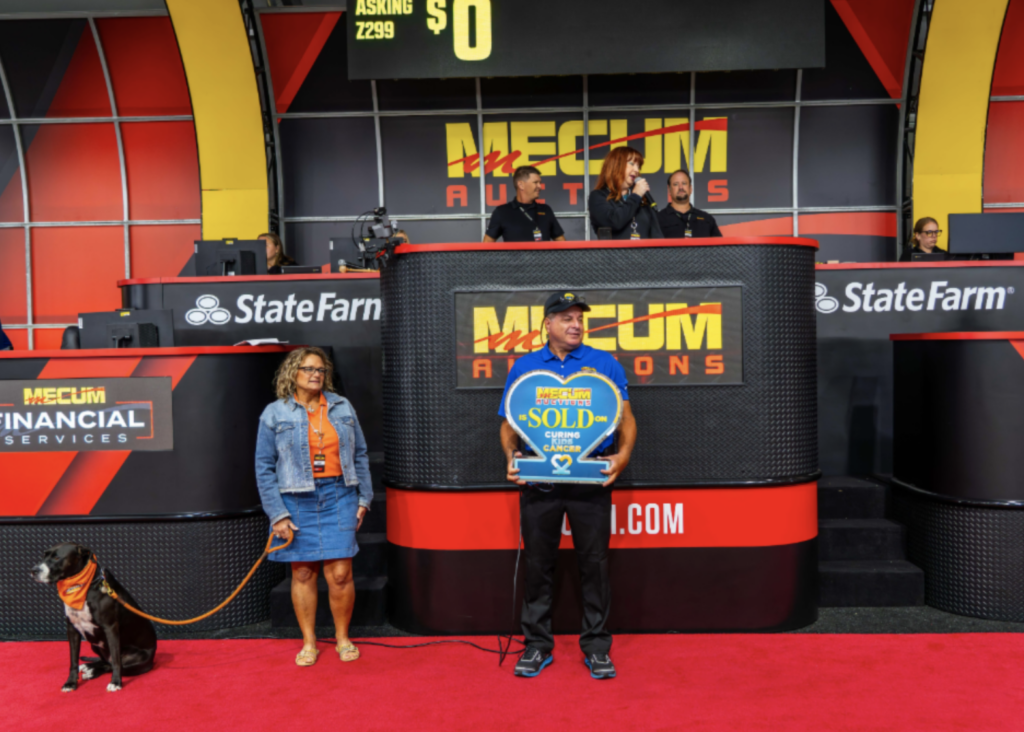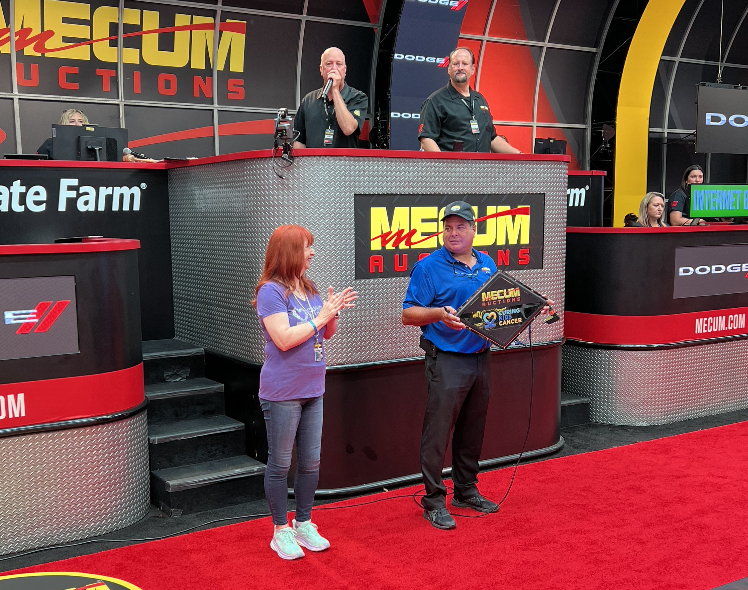
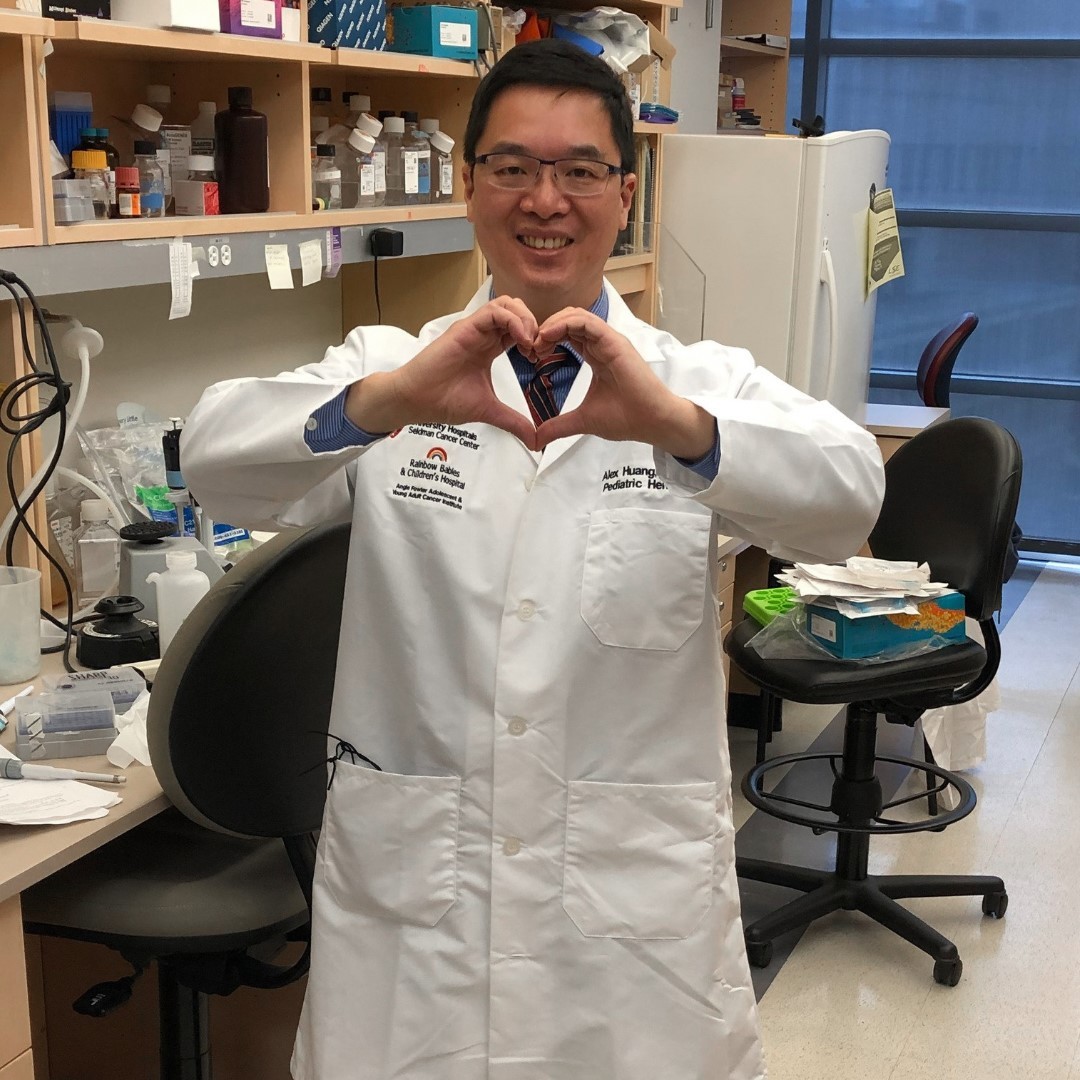
Thanks to the generous support of every donor in 2023, Curing Kids Cancer awarded $1.95 million to 12 innovative pediatric cancer research projects and institutions nationwide in December. Your contribution has played a crucial role in advancing research efforts and making a positive impact in the field of pediatric oncology. The details of the projects are outlined below.

- Nationwide Children’s Hospital The Collaborative Network for Neuro-oncology Clinical Trials (CONNECT), led by Dr. Maryam Fouladi, is an international brain tumor consortium that seeks to improve outcomes in the worst childhood brain tumors by conducting clinical trials in high-risk pediatric brain tumors to investigate combinations of novel drugs with traditional therapies.
- Baylor College of Medicine / Texas Children’s Cancer and Hematology Center – As one of the largest pediatric cancer and hematology centers in the U.S., Texas Children’s provides individualized, state-of-the-art medical treatment for patients with childhood cancer and blood disorders. Treating children from 50 states and more than 56 countries over the past 10 years, Texas Children’s aims to provide the most family-centered, advanced care available.
- Dana-Farber Cancer Institute – Dr. Scott Armstrong targets the genes driving high-risk acute myeloid leukemia (AML). By identifying the cancer-causing genes, he aims to identify new therapeutic targets that can lead to safer treatments and better survival rates for patients with AML.
- Children’s Hospital of Philadelphia – Dr. Stephan Grupp focuses on pediatric immunotherapy trials for leukemia and has developed clinical trials for single-target and combination therapies. His goal is to provide clinical trials using CAR T-cell therapies with a 100% or complete response rate for children with leukemia.
- Children’s Mercy Hospital – Dr. Keith August and his team focus on T-Cell Acute Lymphoblastic Leukemia (ALL). This type of leukemia has very poor treatment outcomes for the children who relapse. By examining the gene expression at the single-cell level in relapsed T-ALL patient samples taken at the time of diagnosis, researchers have identified variations in gene expression within the cancer of each individual patient. This will provide better insight into what causes this type of cancer and lead to more effective treatment options. Dr. August will be opening a clinical trial this year.
- Children’s Health-Children’s Medical Center Dallas – The initial contribution represents the start of a multi-year financial commitment to establish the Mecum Auctions and Curing Kids Cancer Research Endowment at Children’s Health in Dallas. Once finalized, this $2 million endowment will stand as the most significant investment in pediatric oncology clinical research at Children’s Health to date. Its establishment will facilitate crucial research, offering life-saving and innovative pediatric cancer treatments for children in Texas and beyond.
- The Regents of the University of Michigan – Dr. John Prensner’s research focuses on treating atypical teratoid rhabdoid tumors (ATRT). These are very rare, aggressive tumors of the central nervous system, occurring predominately in the brain. After using a combination of drug screening and CRISPR (gene editing), Dr. Prensner and his team have identified a potential new treatment option for these patients.
- Health Research, Inc. Roswell Park Cancer Institute Division – Dr. Joyce Ohm’s research is on novel combination therapies to treat Ewing sarcoma (ES). ES is the second-most common bone cancer in children and is most common in adolescents, with a high relapse rate and poor survival. If Dr. Ohm’s work proves to be effective, it has the potential to be groundbreaking and, more importantly, could be a lifesaving breakthrough for patients suffering from this specific type of bone cancer.
- Seattle Children’s Hospital – Curing Kids Cancer’s gift will enable the High-Risk Leukemia Program, led by Dr. Todd Cooper, to fund a clinical fellow staff position to support the program’s work and provide optimal treatment options for these high-risk children. The close collaboration between high-risk leukemia experts across various specialties – including bone marrow transplant and immunotherapy clinical trials – sets the program apart from other pediatric hospitals.
- Children’s Wisconsin – Doctors Julie Talano’s and Amy Moskop’s research specializes in addressing blood cancers through transplants. In these cancers, complications such as graft versus host disease (GVHD) can arise, where newly introduced cells attack the recipient’s body. This study aims to integrate two approaches: selectively removing specific cells and adjusting medication doses. The goal is to reduce associated risks without compromising the effectiveness of treatment, especially for pediatric and young adult patients. Striking this balance aims to enhance post-transplant outcomes, minimize complications, and ultimately improve these patients’ chances of successful recovery.
- Winship Cancer Institute – Emory University – Curing Kids Cancer awarded the first gift of a multi-year $1.3 million commitment towards the Curing Kids Cancer Professorship Endowment supporting the pediatric cancer research of Dr. Kelly Goldsmith. This donation is being matched with $500,000 from Emory University. Dr. Goldsmith specializes in the treatment of neuroblastoma, Wilms tumor, and other renal tumors of childhood.
- Children’s Hospital Los Angeles – Curing Kids Cancer awarded funds towards the NIH-supported Summer Oncology Research Fellowship (SORF) Program. SORF immerses medical students in cutting-edge research experiences within a team science framework in oncology and related fields. Research projects are in pediatric, adolescent, or adult oncology, in fields of clinical, translational, or laboratory research and/or new frontiers in bioinformatics, biomedical engineering, precision medicine, population-based research, survivorship, and other oncology-related fields. This program provides initial education for future pediatric oncology specialists.